Introduction
In a world where accidents can take place anytime, recognizing just how to respond successfully can be the distinction between life and fatality. Cardiopulmonary resuscitation (MOUTH-TO-MOUTH RESUSCITATION) is an important ability that every person must consider learning. But with so many alternatives available, browsing the globe of CPR programs can feel overwhelming. So, which one is appropriate for you? This article intends to guide you through the numerous mouth-to-mouth resuscitation training courses offered, aiding you select the most effective suitable for your needs.
Understanding CPR and Its Importance
What is CPR?
Cardiopulmonary resuscitation (CPR) is an emergency situation procedure http://cruzcged445.fotosdefrases.com/how-to-rejuvenate-your-skills-after-finishing-a-first-aid-course performed on individuals whose heart has actually stopped defeating or that have ceased breathing. It includes upper body compressions and rescue breaths to keep blood flow and oxygenation until innovative clinical assistance shows up.
Why is mouth-to-mouth resuscitation Important?
The importance of CPR can not be overstated. Statistics reveal that prompt mouth-to-mouth resuscitation can double or perhaps triple a victim's opportunities of survival after heart attack. Learning mouth-to-mouth resuscitation not only More helpful hints outfits you with the skills to save lives but also boosts your confidence in emergency situation situations.
When Must You Utilize CPR?
CPR should be initiated when a person is unresponsive, not breathing typically, or showing indicators of serious distress. Having the ability to identify these conditions rapidly can conserve valuable minutes.
Navigating the Globe of CPR Courses: Kinds Available
Basic Life Support (BLS) Courses
What is BLS?
BLS training courses are developed for doctor and specialists that need to keep accreditation in basic life support methods. These training courses cover important skills such as high-quality chest compressions, air passage monitoring, and using an Automated External Defibrillator (AED).
Who Must Take BLS Courses?
If you're a health care worker, caregiver, or a person seeking to improve their medical knowledge, a BLS program might be ideal for you.
Heartsaver ® CPR/AED Courses
What are Heartsaver ® Courses?
The Heartsaver ® program provides training courses customized for laypersons. It concentrates on grownup, kid, and baby CPR strategies together with AED usage.

Who Ought to Take into consideration Heartsaver ® Courses?
These training courses are excellent for educators, trains, moms and dads, and anybody responsible for others' safety who may need to act in an emergency situation situation.
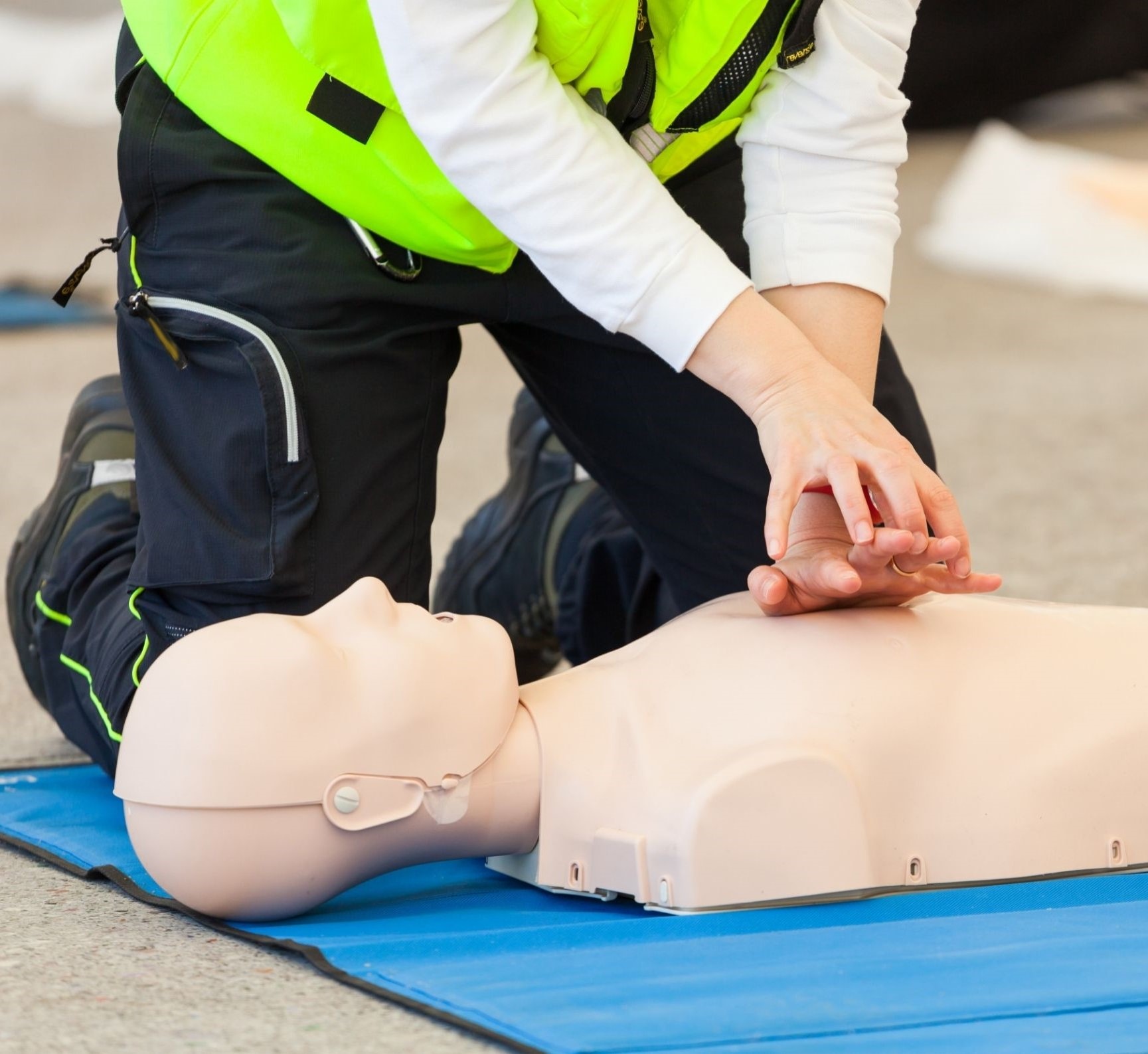
First Aid Training course vs. Emergency Treatment and Mouth-to-mouth Resuscitation Course
What Does a First Aid Course Cover?
A first aid course generally covers the essentials of dealing with injuries such as cuts, burns, cracks, and choking cases without focusing on resuscitation methods.
Why Integrate Emergency treatment with CPR Training?
Combining first aid training with a CPR program furnishes you with detailed emergency response skills. By recognizing both first aid and resuscitation strategies, you'll be better prepared to handle various emergencies.
Advanced Cardiac Life Assistance (ACLS)
What is ACLS Training?
ACLS training surpasses basic life assistance by including innovative medical abilities like providing medications and taking care of respiratory system failure.
Who Requirements ACLS Certification?
ACLS accreditation is typically needed for healthcare experts operating in important care setups such as health centers or emergency rooms.

Choosing the Right Program for You: Factors to Consider
Your Degree of Experience
Before joining in any kind of program, examine your current level of knowledge pertaining to emergency treatment and mouth-to-mouth resuscitation techniques. Newbies may benefit from starter programs like Heartsaver ®, while skilled people might opt for more extensive training like BLS or ACLS.
Your Responsibilities
Consider your function in your community or workplace. If you're responsible for others' safety-- like a coach or teacher-- you might intend to invest time in thorough emergency treatment and CPR training.
Course Layout: In-Person vs. Online Options
In-Person Training Advantages
- Hands-on experience Immediate feedback from instructors Networking opportunities
Online Training Advantages
- Flexibility Convenience Often cheaper
Understanding Accreditation: What You Required to Know
Duration of Certifications
Most qualifications last in between two to three years before needing renewal; nevertheless, this differs by organization.
Recognized Organizations Offering Certification
Several companies provide credible qualification programs:
- American Heart Organization (AHA) Red Cross National Safety Council (NSC)
Finding High quality Training Providers
Researching Local Options
Look into local hospitals or recreation center offering emergency treatment courses to locate hassle-free choices near you.
Online Resources
Many organizations supply online training components that give qualification upon completion-- a superb option if time constraints are an issue.
Costs Associated with Different Courses
|Course Kind|Average Cost|| ---------------------|----------------|| Standard Life Assistance|$100 - $150|| Heartsaver ®|$50 - $80|| Emergency treatment Just|$60 - $100|| ACLS|$200 - $300|
How to Plan for Your Course
Pre-Course Recommendations
Before attending course:
Review any kind of given materials. Wear comfy clothing. Bring any type of essential products listed by your instructor. read moreWhat Happens After Completion?
After successfully completing your selected training course:
You'll obtain a certification card. Keep it upgraded according to your supplier's guidelines. Apply what you've found out regularly through practice sessions if possible!Common Misconceptions About Emergency treatment and Mouth-to-mouth Resuscitation Training
Misconception 1: Just Medical Care Professionals Required This Training
This might not be further from the reality! Every person can gain from recognizing exactly how to administer emergency treatment or do CPR!
Misconception 2: I'll Never Need to Utilize It
Emergency scenarios develop all of a sudden; being prepared is always wise!
FAQs Regarding First Aid Certificates & Courses
How long does it take to complete a typical first aid course? Most first aid training courses take about four hours but can vary depending upon material depth.
Will I obtain a certificate after finishing my course? Yes! Many trusted organizations offer certifications upon successful completion.
How usually do I need to restore my certification? Normally every 2 years; get in touch with your certifying organization.
Can I take these training courses online? Absolutely! Lots of organizations use on the internet options enabling flexibility.
Are there age needs for taking these courses? Normally no age limit exists; nevertheless, parental authorization may be needed under particular circumstances.
Do companies require staff members to have these certifications? Lots of companies do favor personnel learnt initial aid/CPR-- it reveals commitment towards workplace safety!
Conclusion: Your Trip Starts Now!
With so many choices available when it comes down finding which program fits best-- whether it's Basic Life Assistance (BLS), Heartsaver ®, Advanced Heart Life Support (ACLS), or even simply basic Emergency treatment-- the essential takeaway remains clear: Taking proactive actions in the direction of enhancing your knowledge base around first aid & & cardiopulmonary resuscitation will ultimately encourage YOU! By investing time into browsing the globe of mouth-to-mouth resuscitation courses responsibly today ensures readiness tomorrow-- due to the fact that every 2nd counts during emergencies!